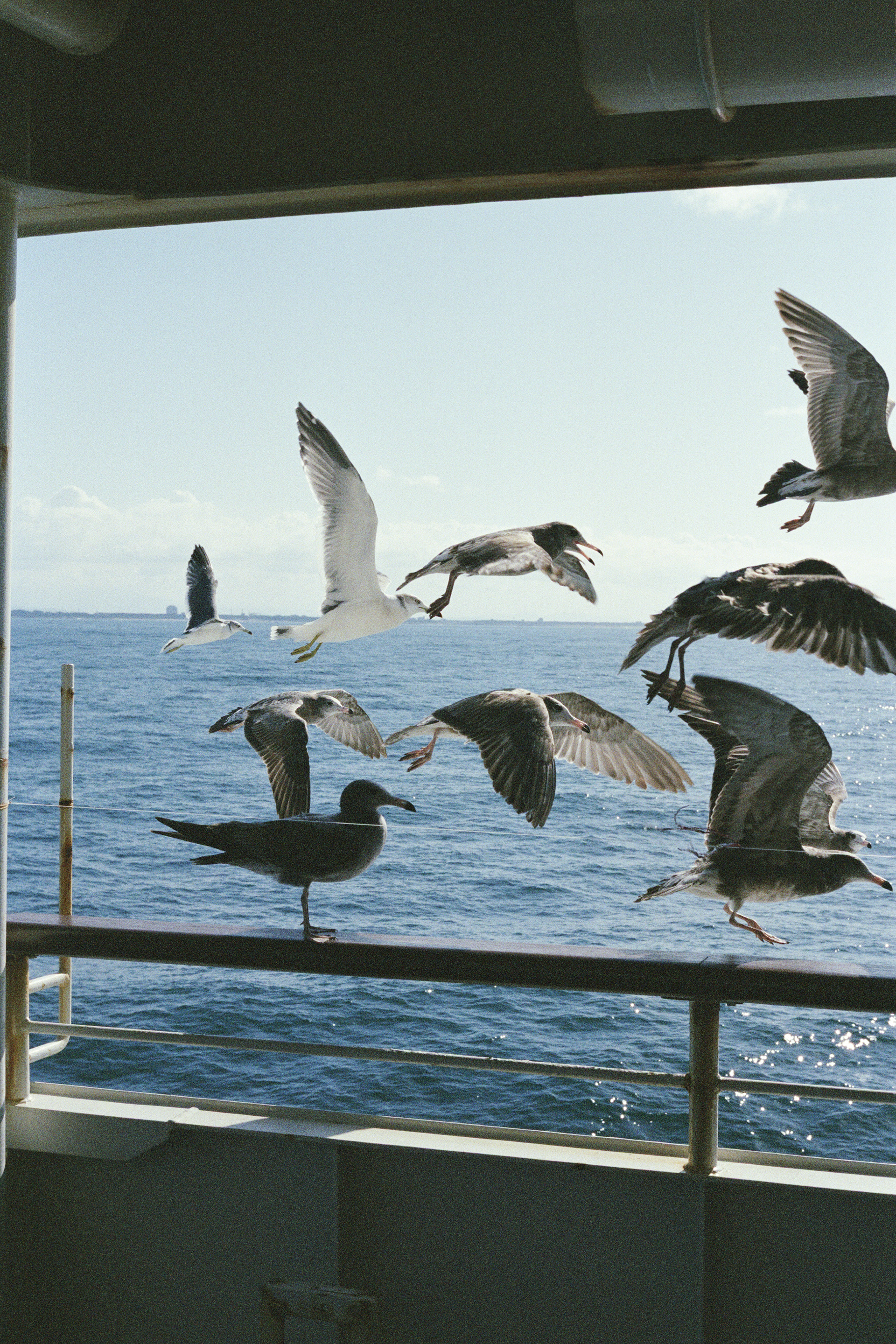
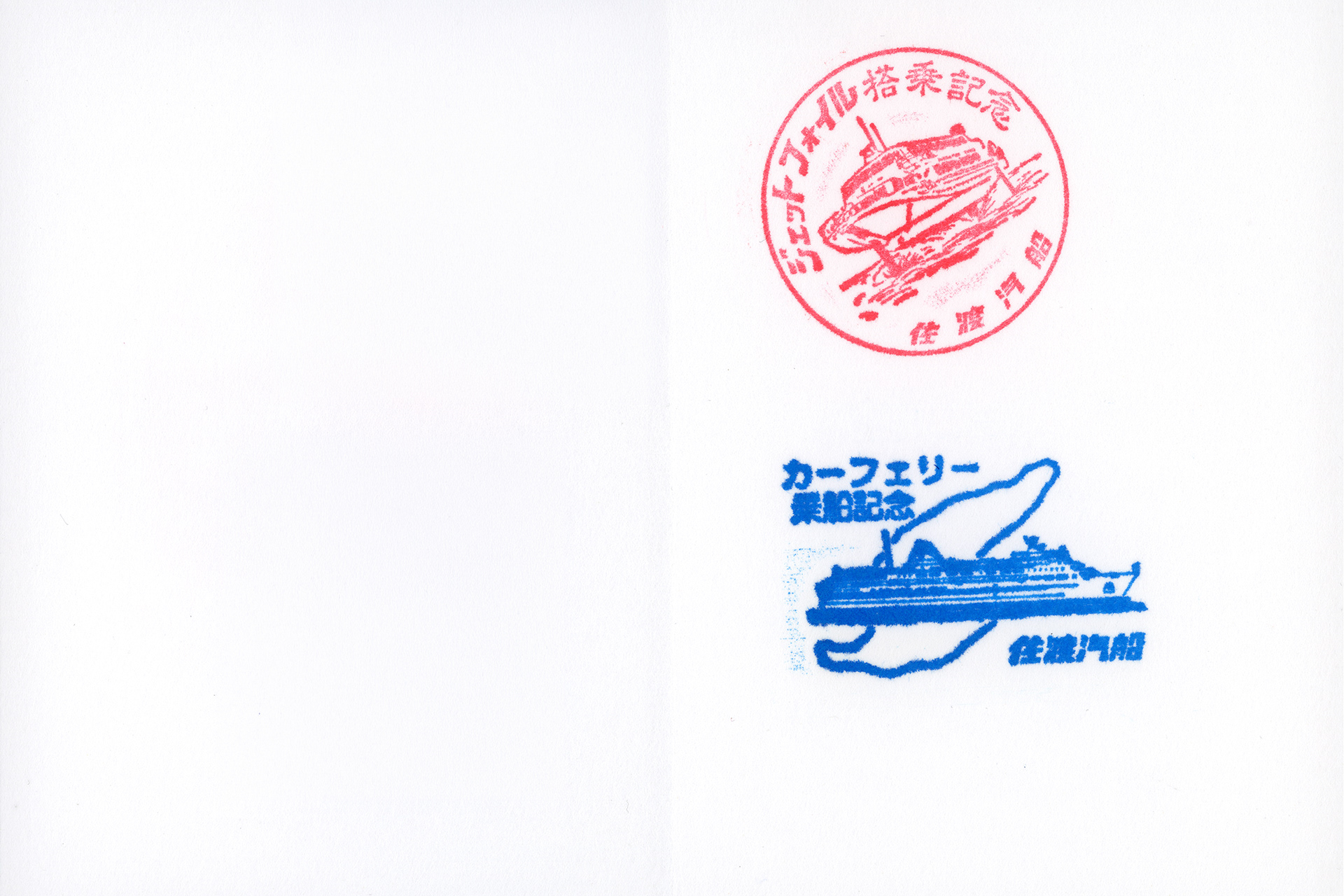
We went to Sado Island looking for a bird.
The toki — the Japanese crested ibis — had vanished from the island within living memory. It was the grandfather of my closest friend, a Chinese ornithologist, who visited Sado, observed what remained, and advised his government upon returning to China. China subsequently gifted breeding pairs to Japan. The population living on Sado today descends from those birds.

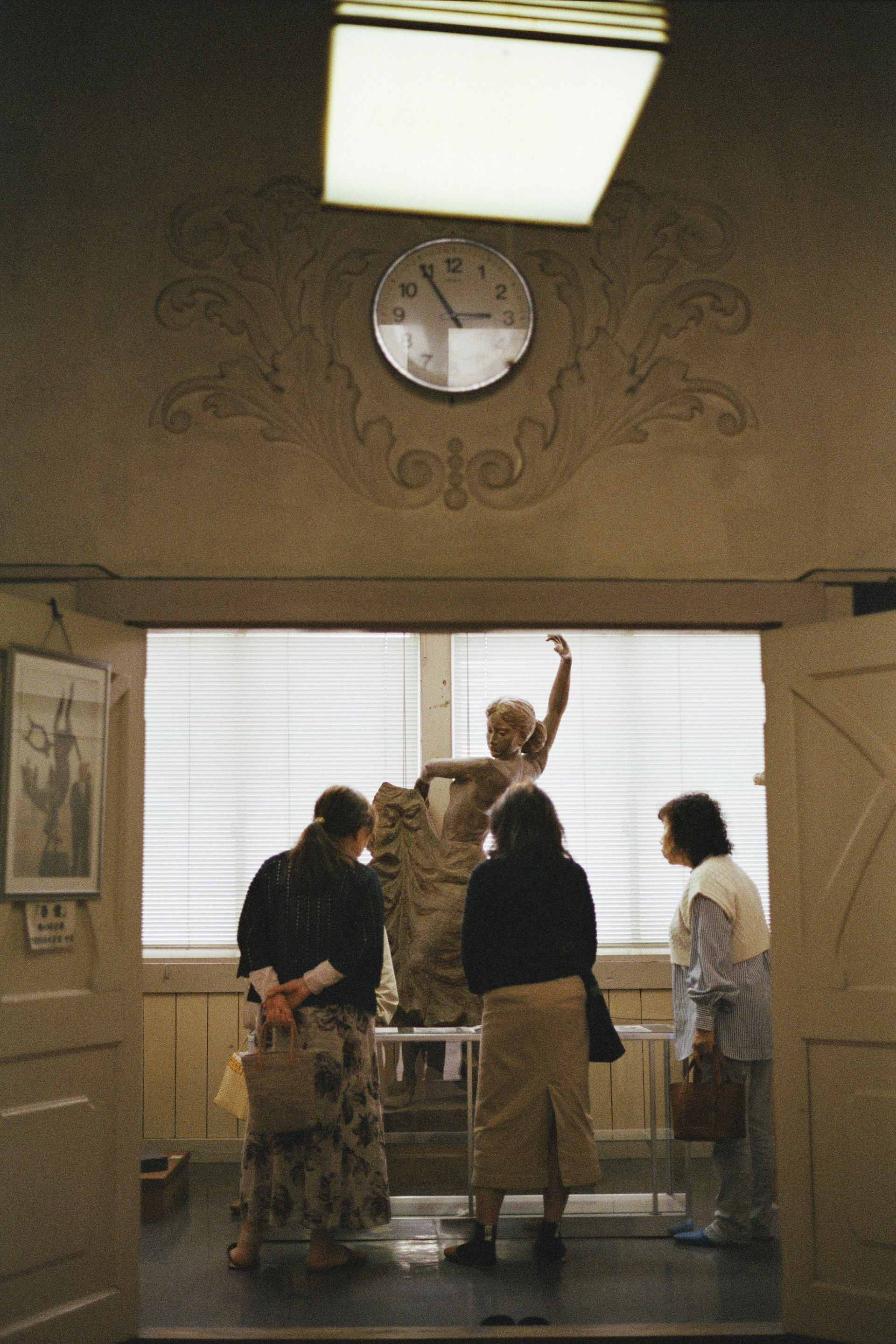

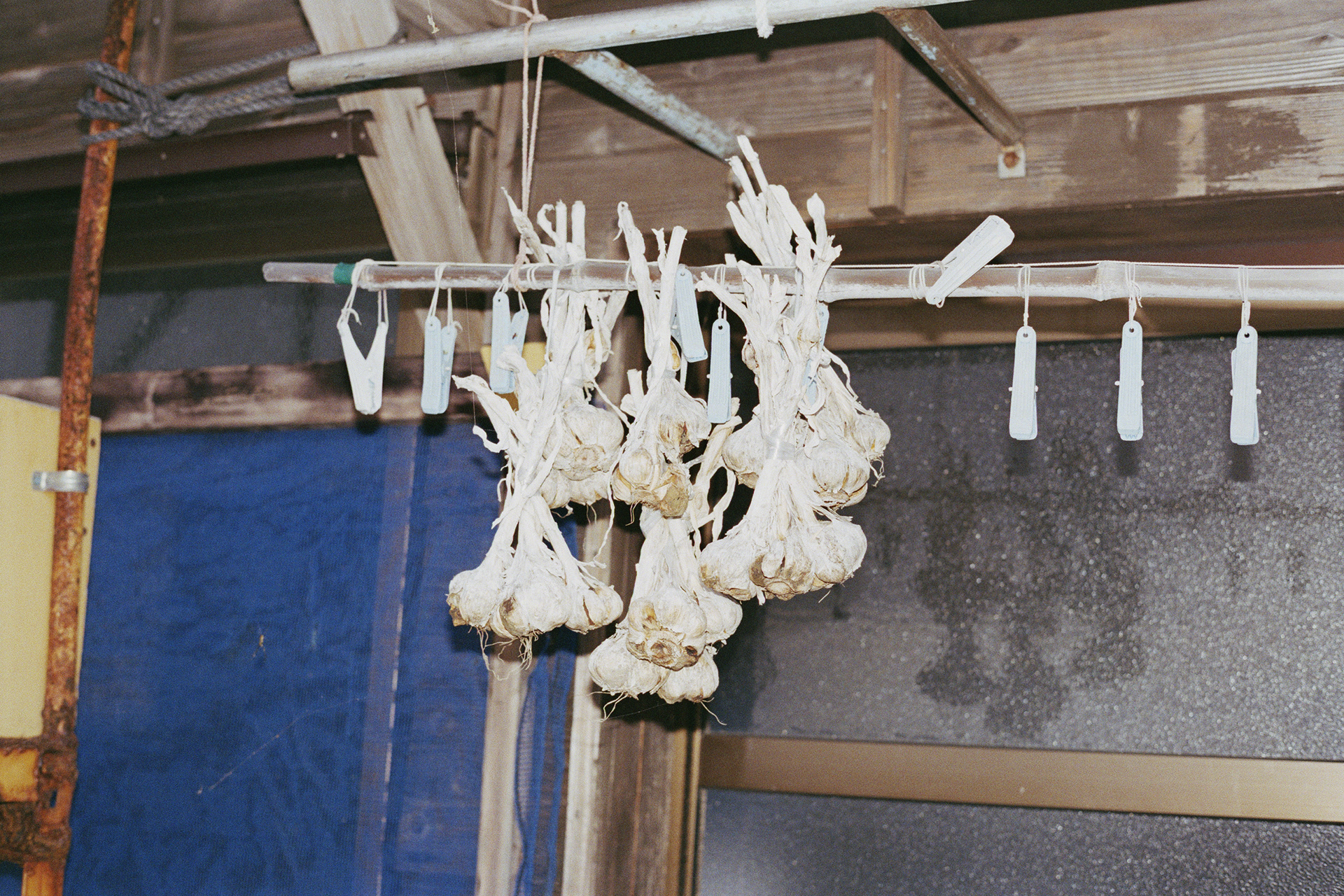
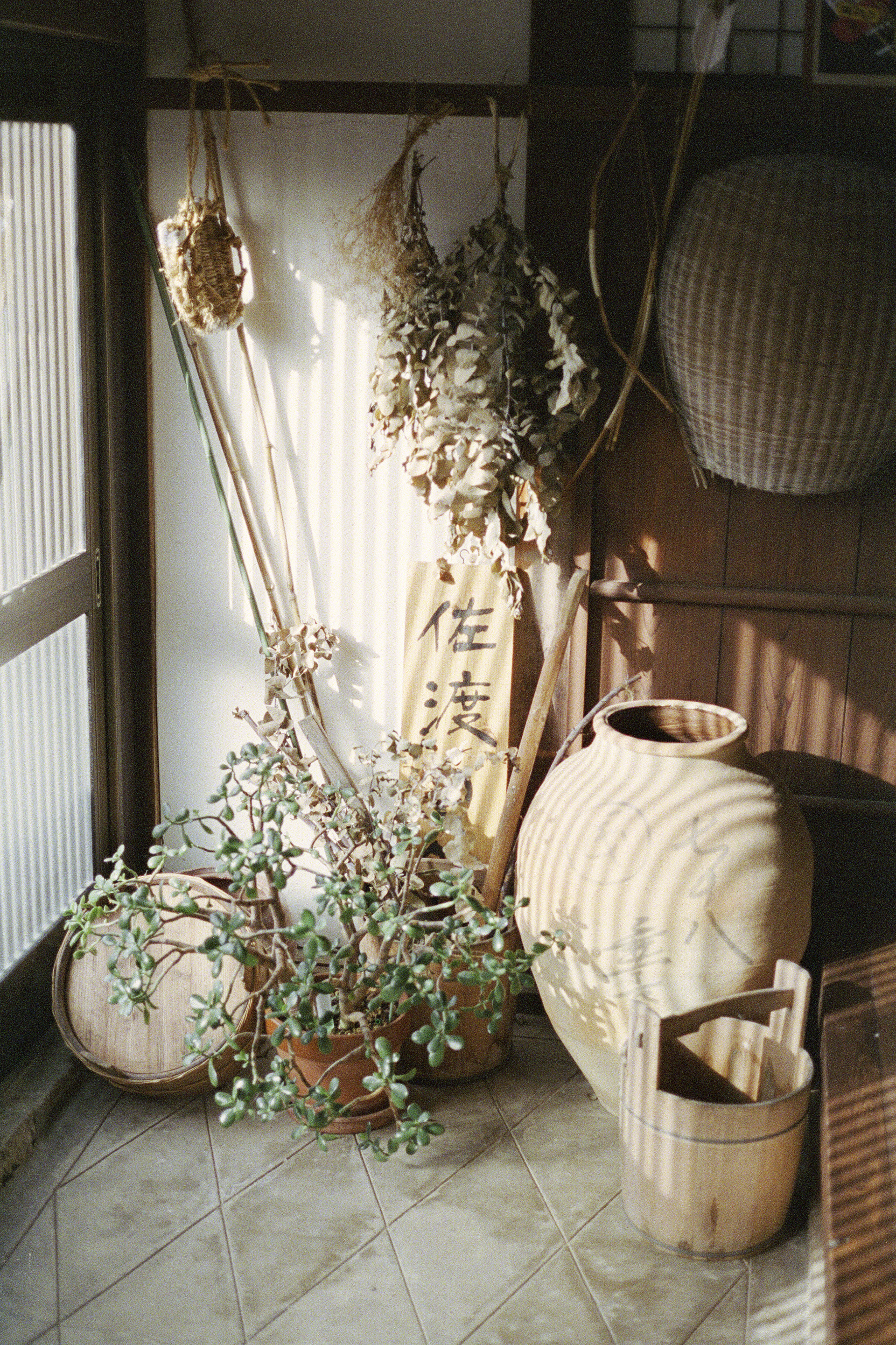
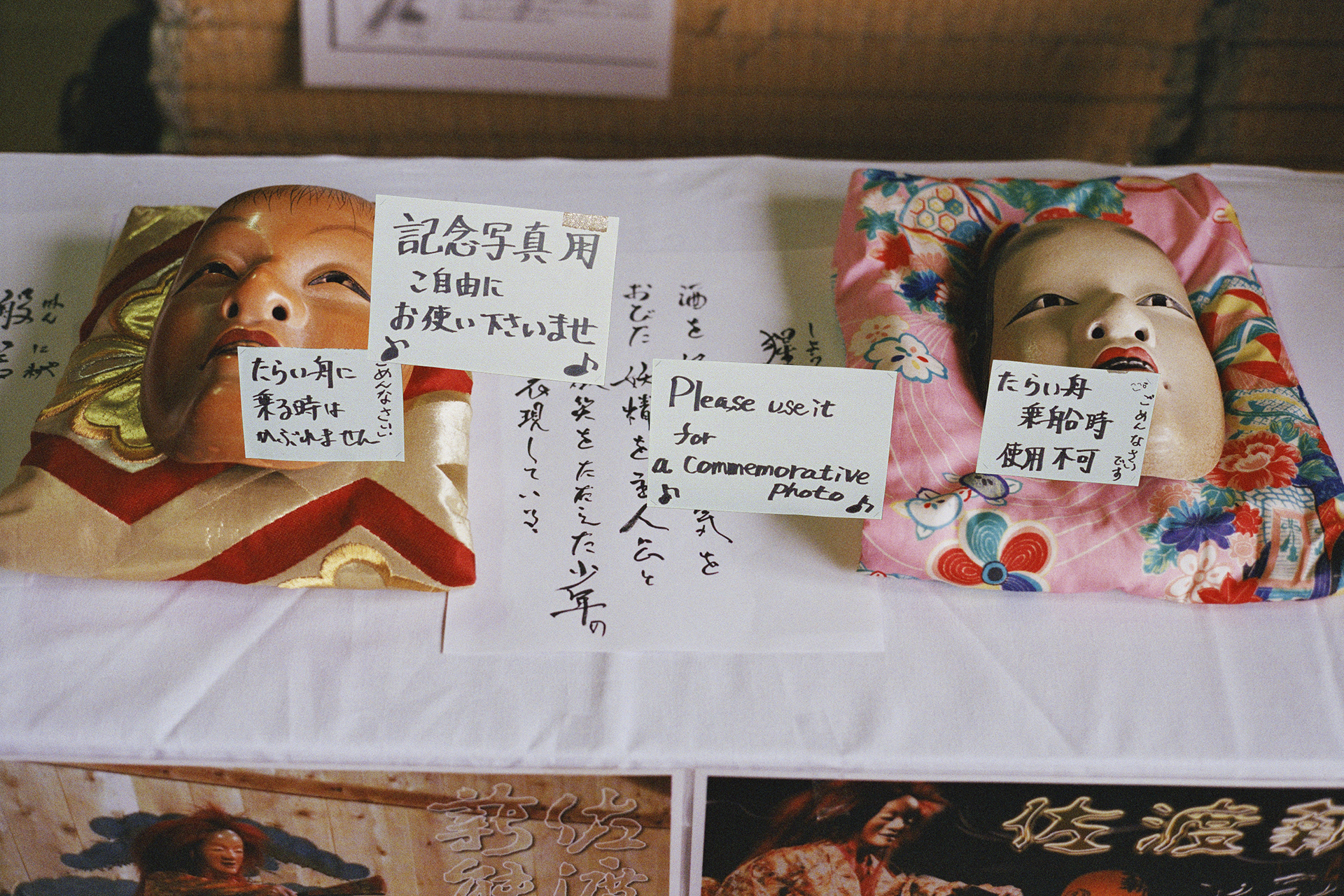
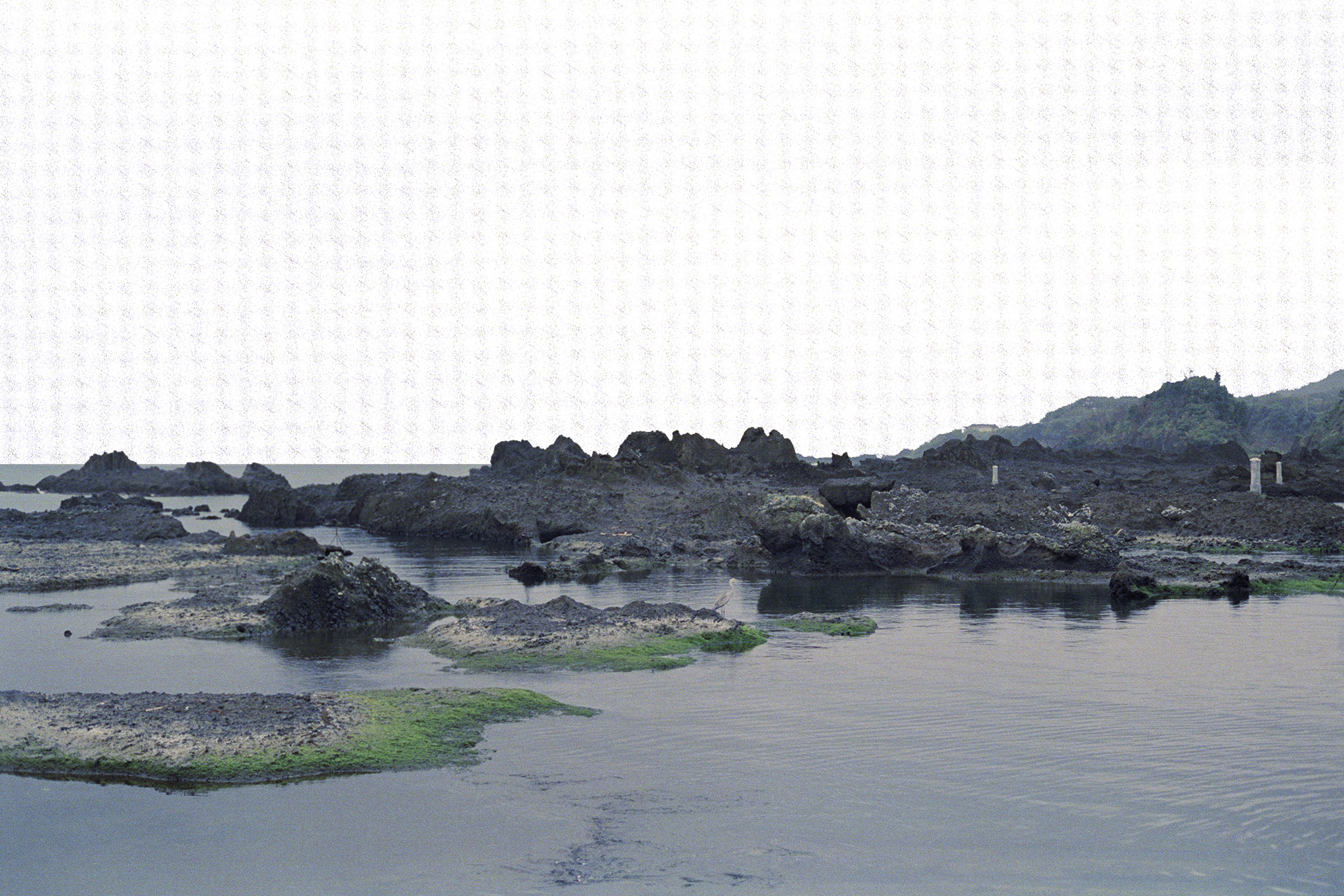
We arrived in October 2025 carrying this story like a map. We looked for the toki everywhere. We never truly found it — something pale and distant in the paddies once or twice, something that might have been. The bird kept receding. And so we kept walking, and the island kept offering us other things.
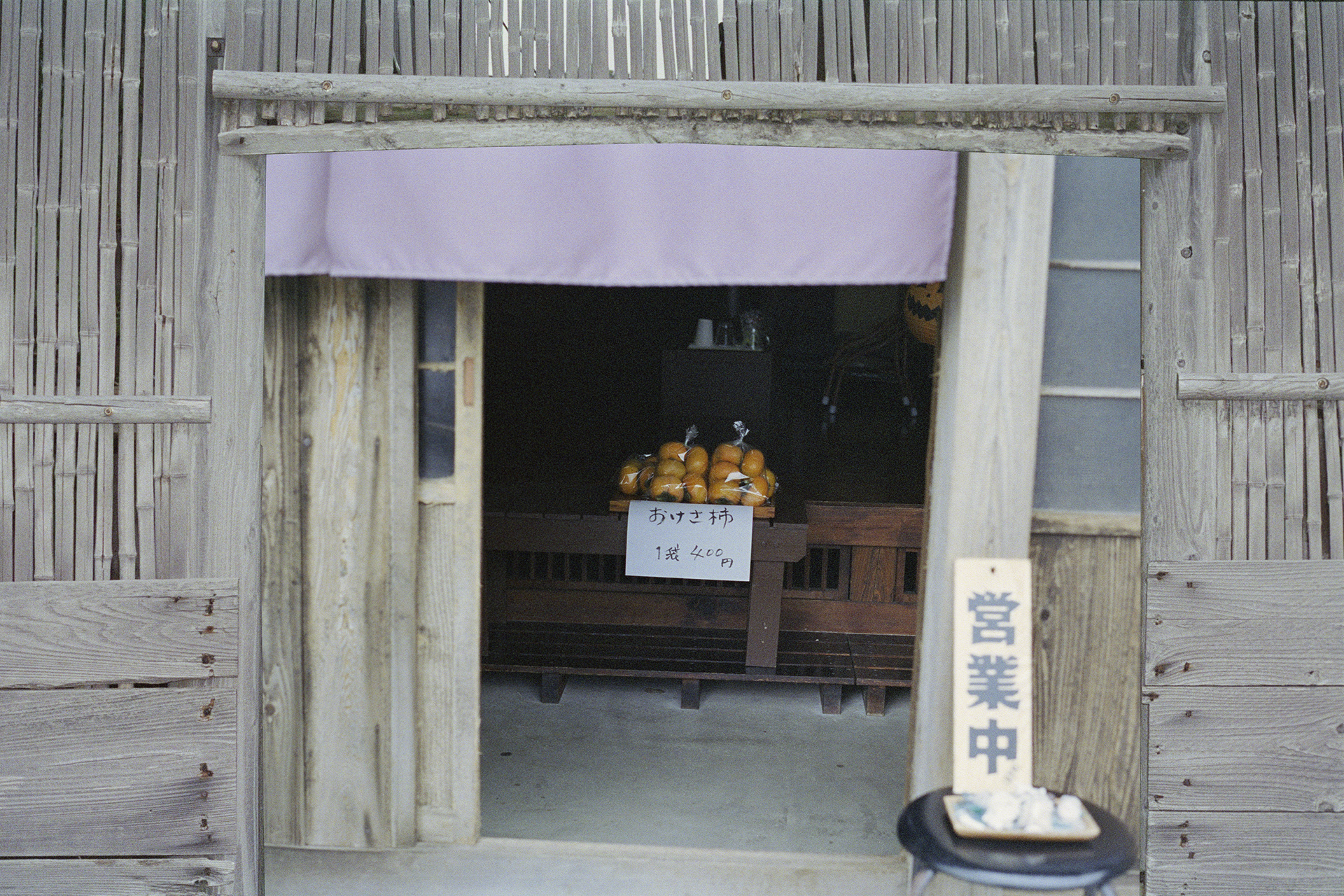
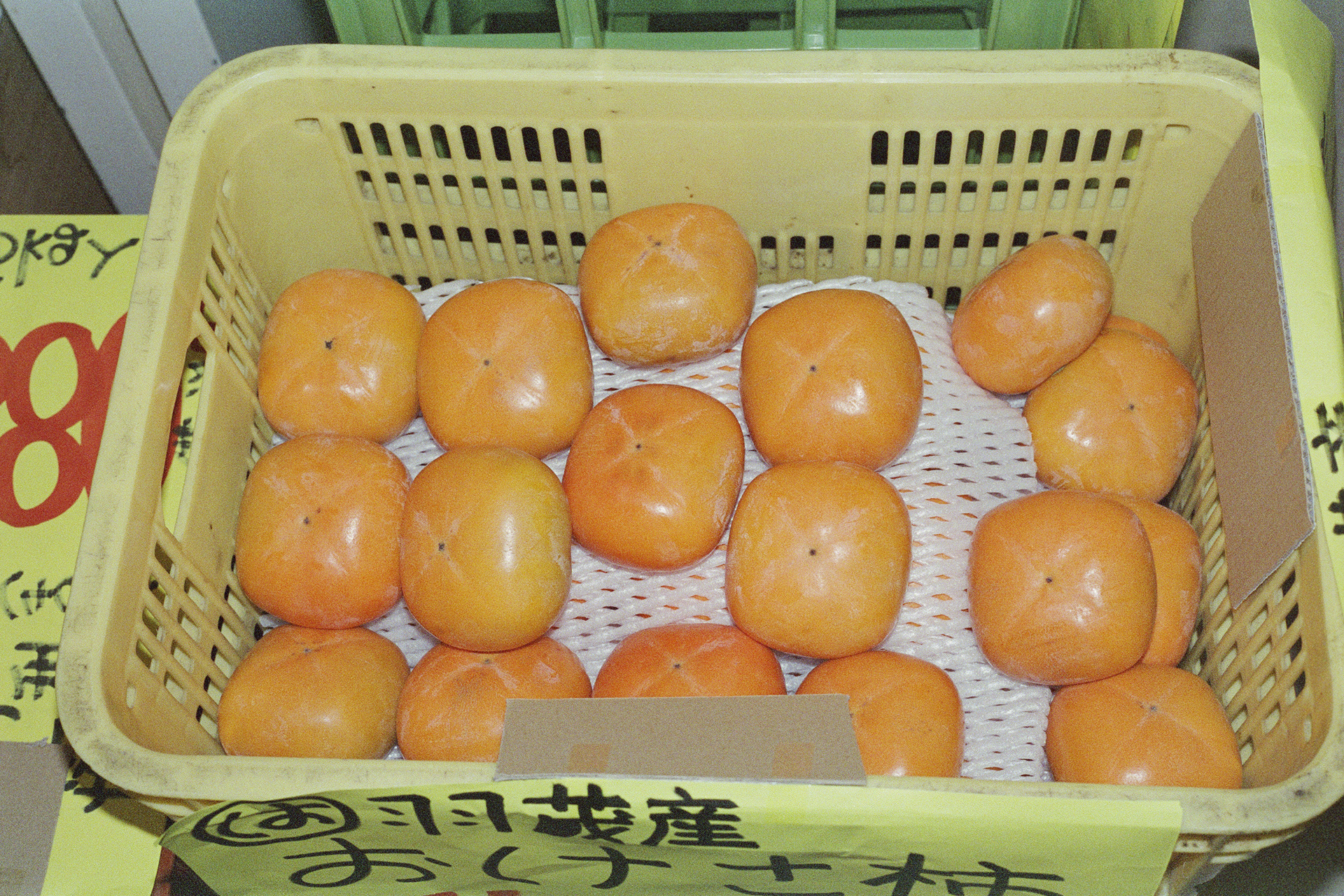
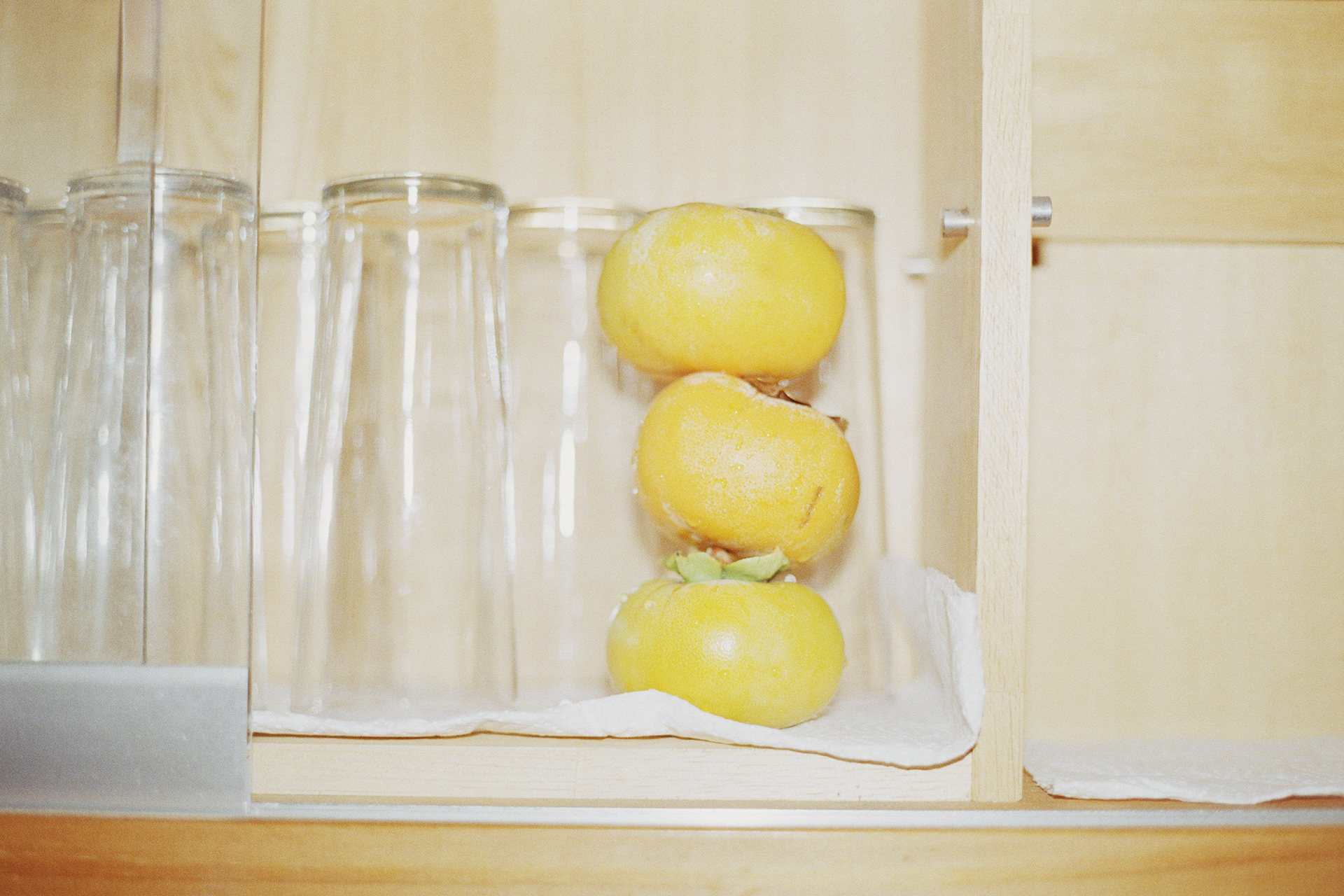
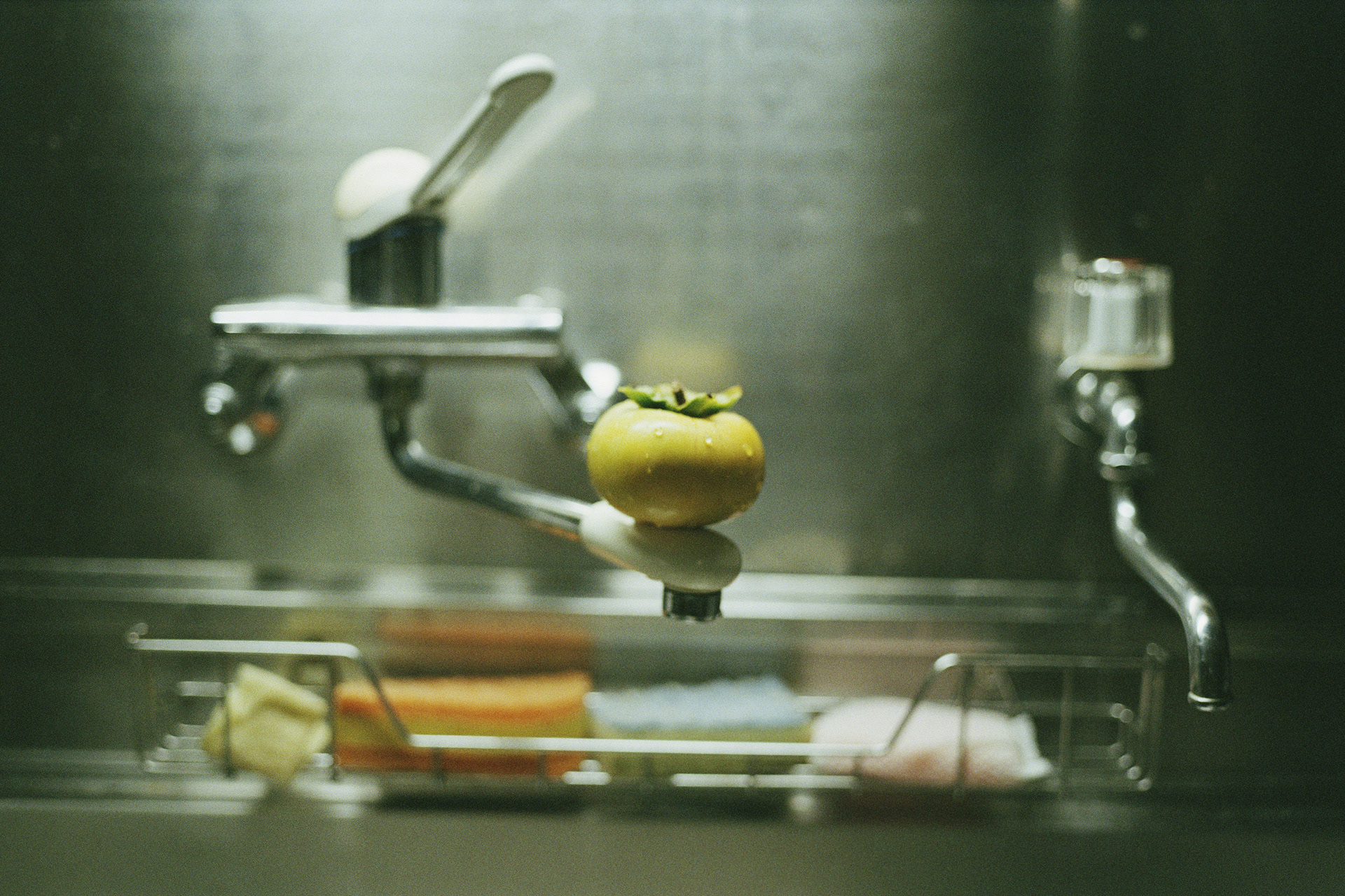
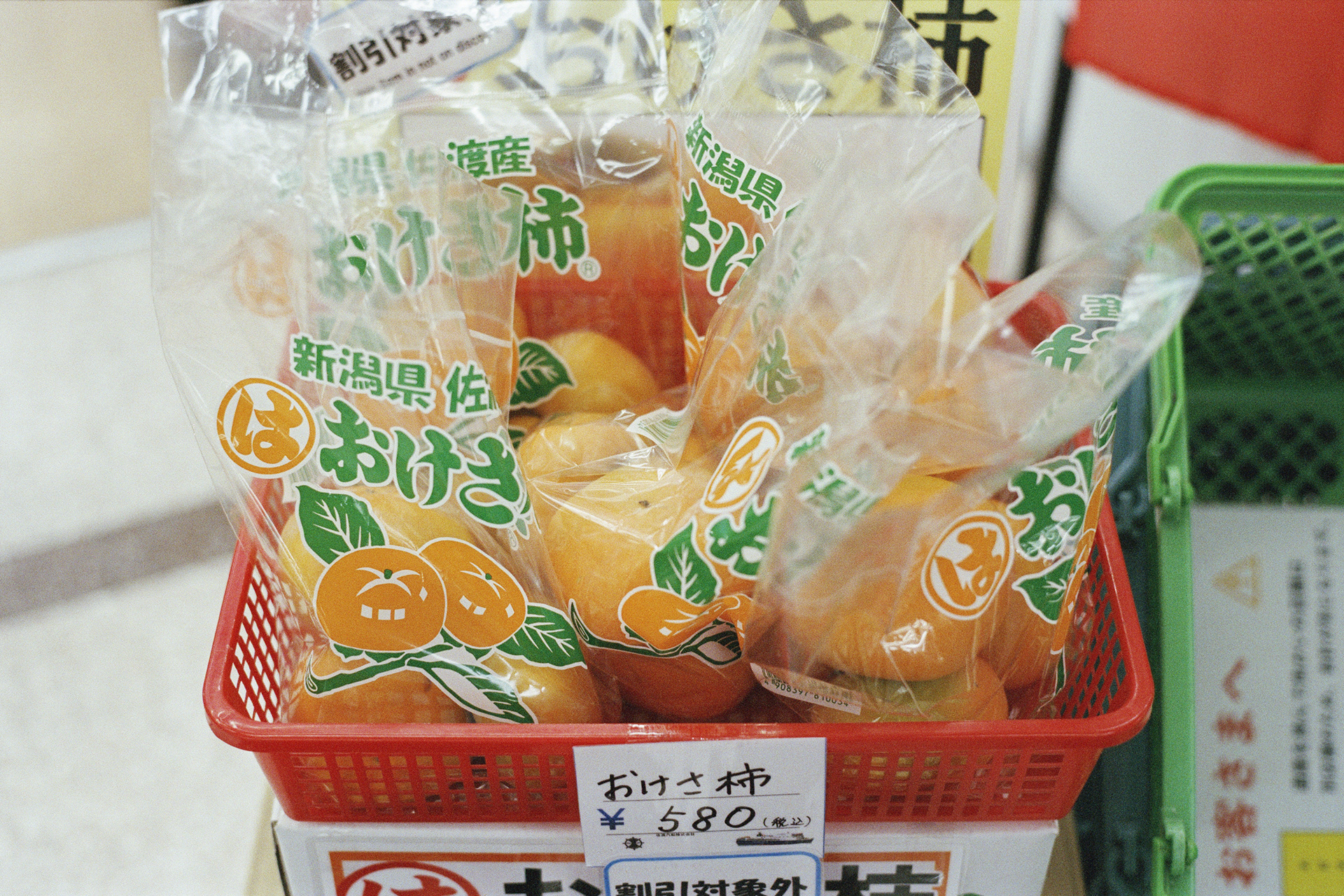
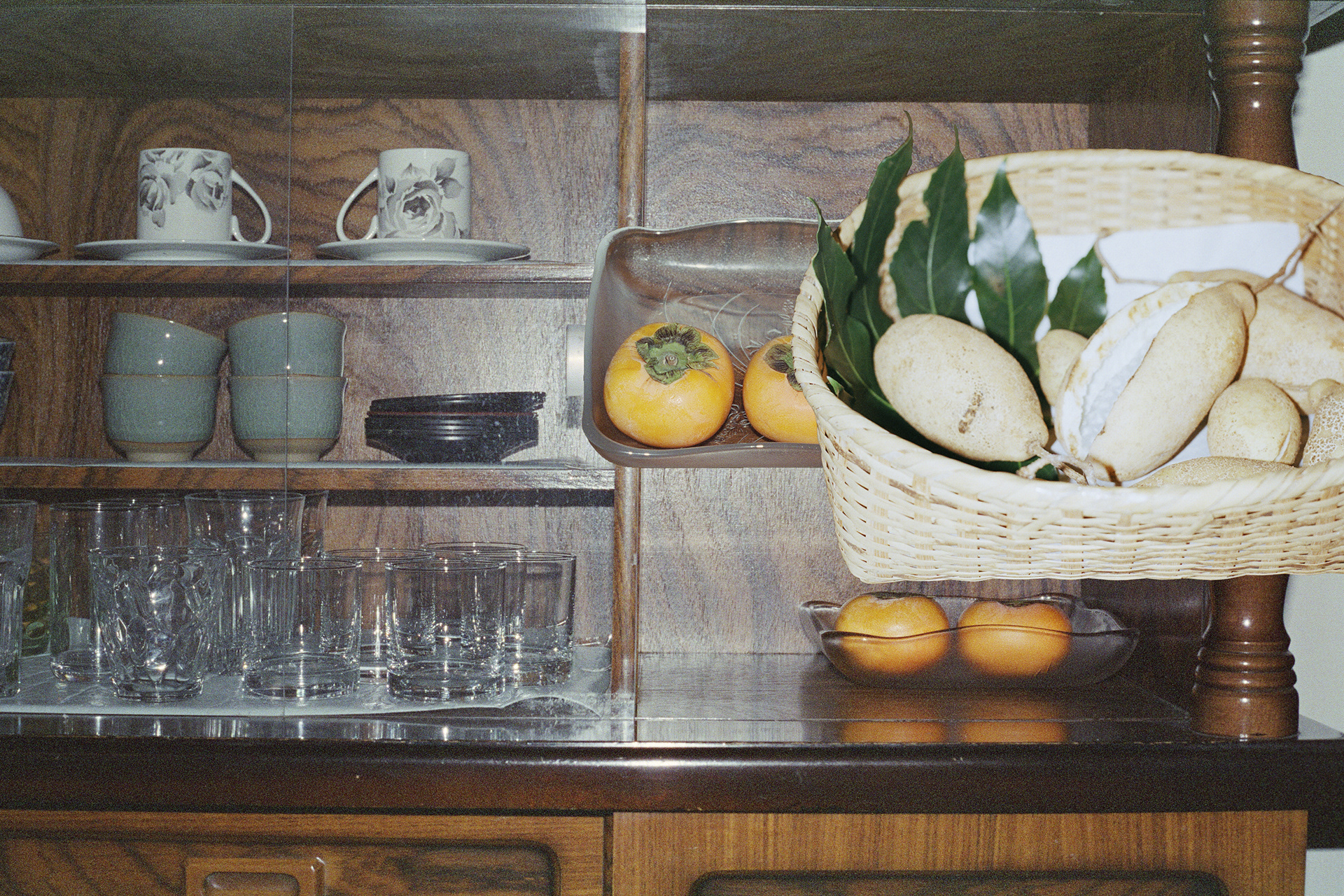
The first persimmon appeared by accident. Then another. Then they were everywhere. The okesa kaki — Sado’s persimmon, grown without pesticides across the island’s southern hills — kept appearing, pulling us further into the island, deeper into a story we didn’t yet know we were already inside. In Japanese, 結果 — result — is written with the characters for tied fruit. A fruit is literally a result: the visible evidence of everything that came before it. The okesa kaki is the result of the same collective agreement that keeps the water clean enough for the toki to feed in. Follow the fruit and you are, without knowing it, following the bird.
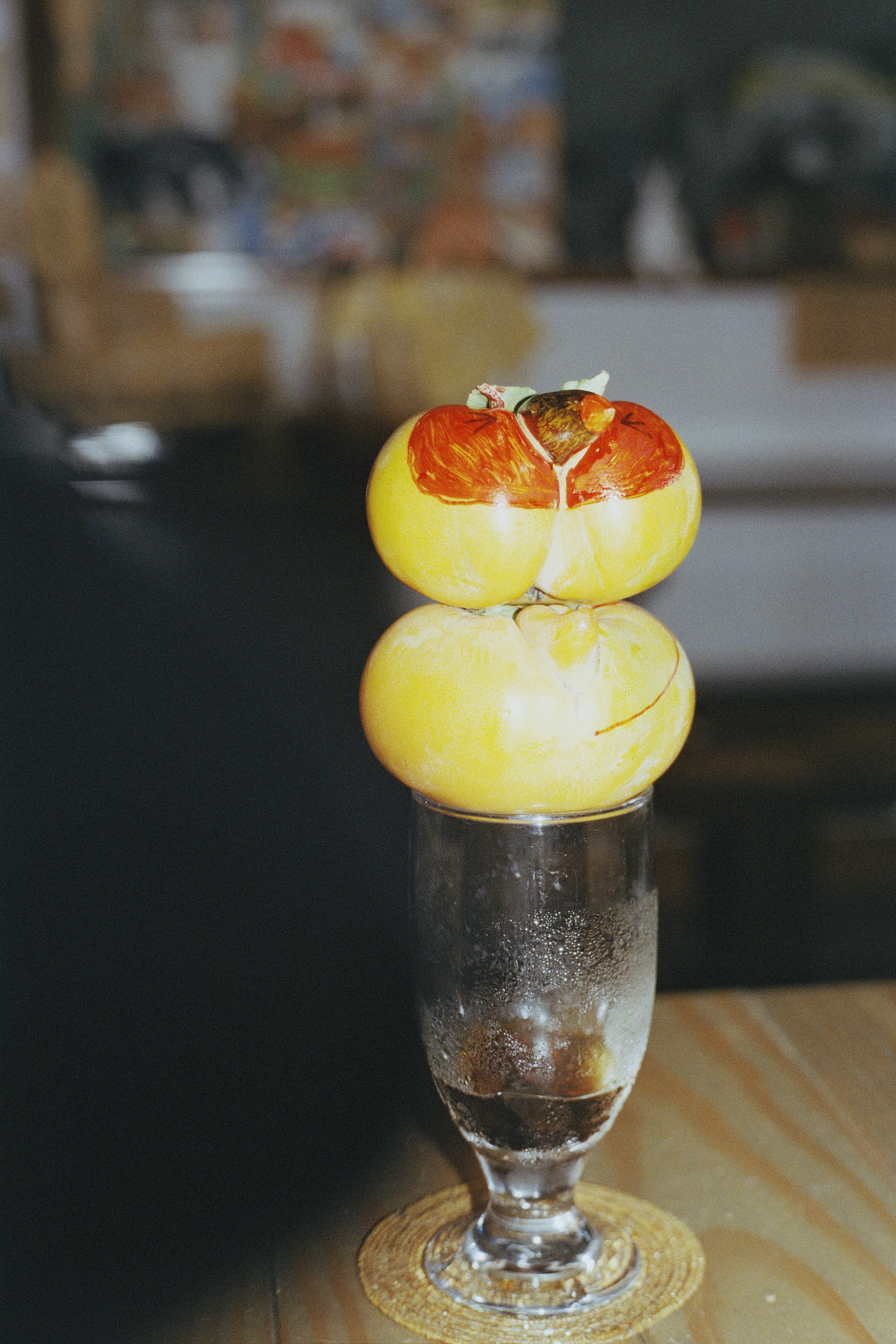
Then, on a cafe table, we found two persimmons stacked on a glass — painted by a local woman to resemble the toki, vermillion brushed across the skin, the green calyx left as a crest. The bird we had been chasing was there all along, wearing fruit as its disguise.
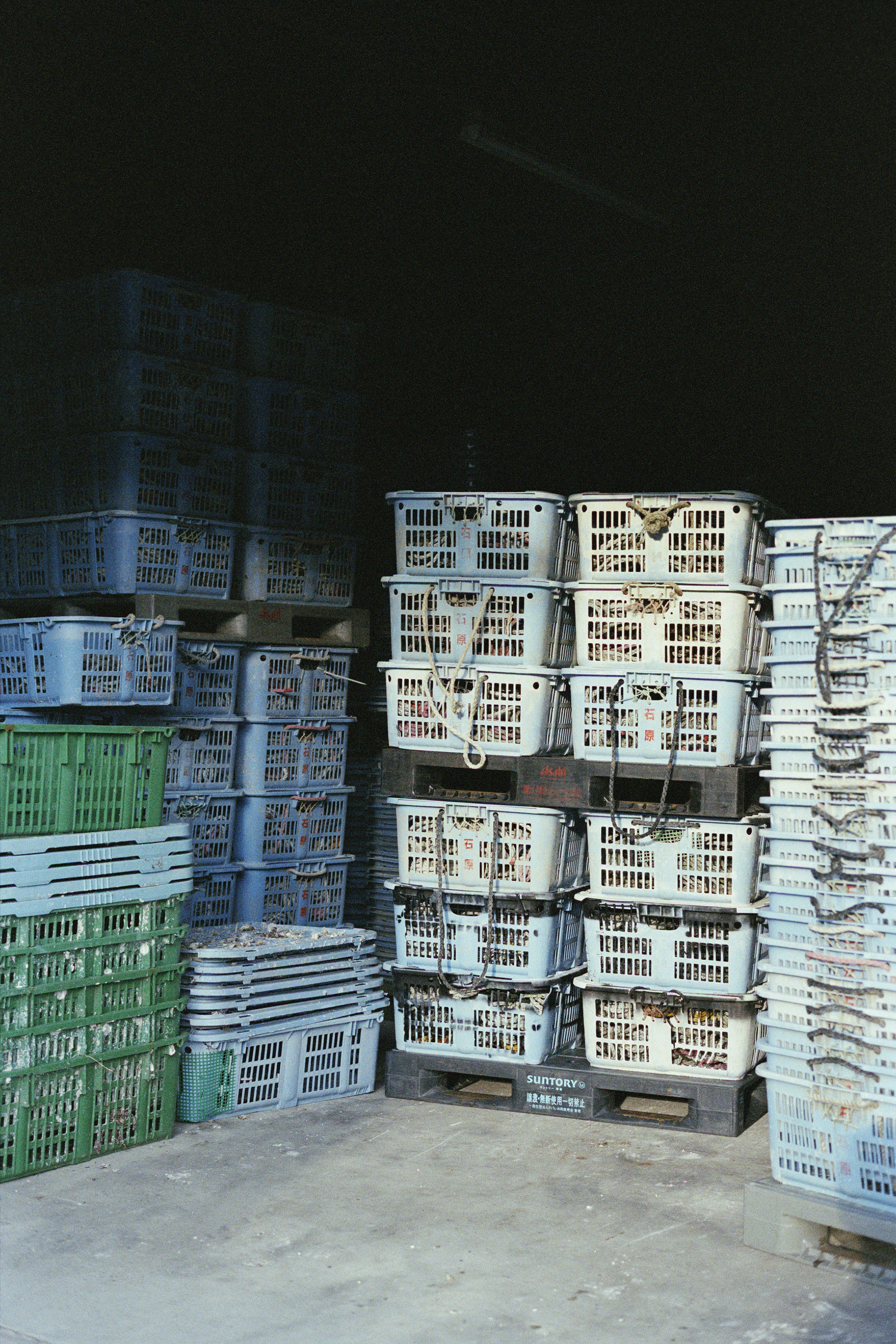
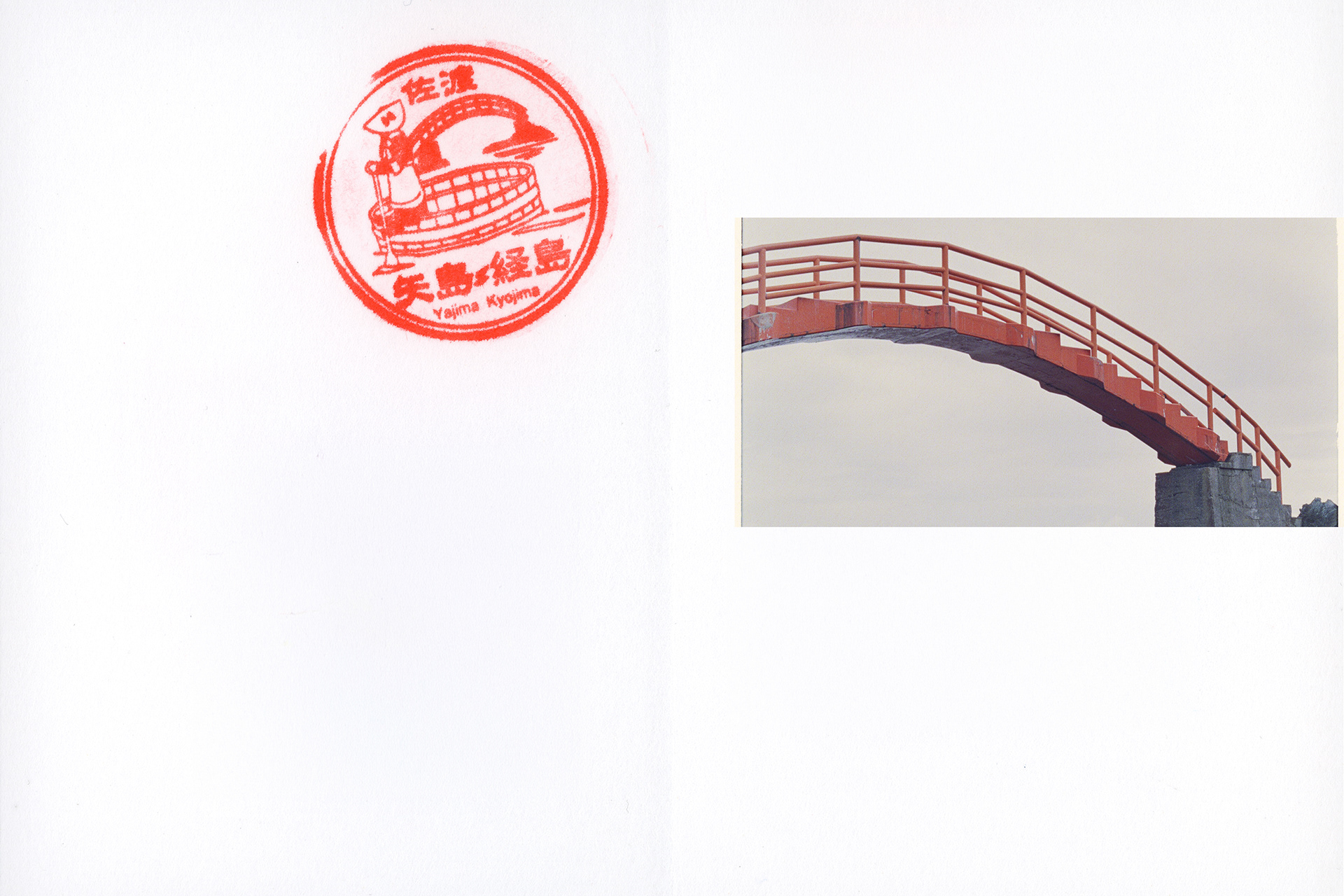
TOKI is a series of twenty photographs and documents. The toki itself never appears. What appears instead is everything the island did to bring it back — and one woman’s quiet insistence that the fruit and the bird were never really separate things.